Economic, Social, and Agricultural Practices
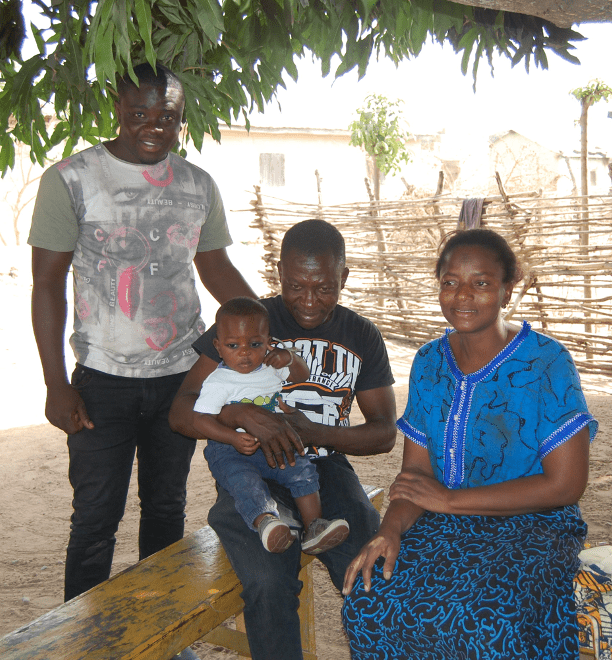
We will share indigenous economic, social, and parenting methods that respect the well being of all.
Indigenous cultures of Africa are community and relationship-oriented. Our ancestors ascribed great importance to assuring the well-being of all: human beings and other species rely on each other to survive & thrive in a great variety of ecological zones.
An overemphasis on individual achievement, nuclear families and lack of inter-generational contact actually impoverishes individuals, families and communities to the detriment of health and mental well-being. Internationally, extractive multinational corporations remove individual elements from ecological systems without regard to how they upset critical ecological processes and functions. So we are reaching a crisis state as evidenced by global climate change.
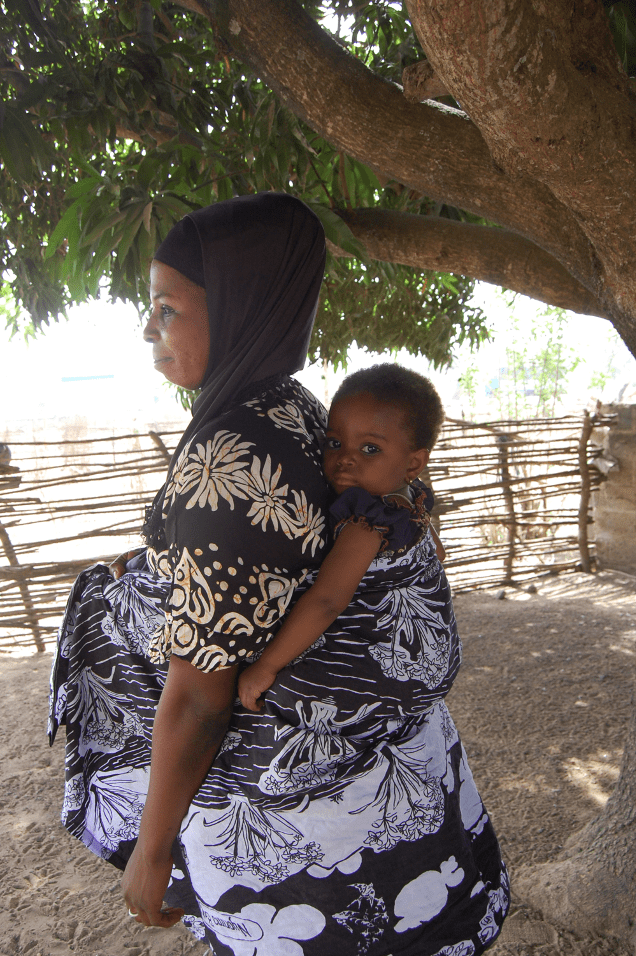
Indigenous philosophies emphasize reciprocity in relationships, community ownership of land and natural resources, and flows of goods and services to all. Our child-rearing practices reflect the economic and social philosophies of indigenous Africa. Sharing our traditional philosophies can help move the world away from destructive and excessive natural resource extraction.
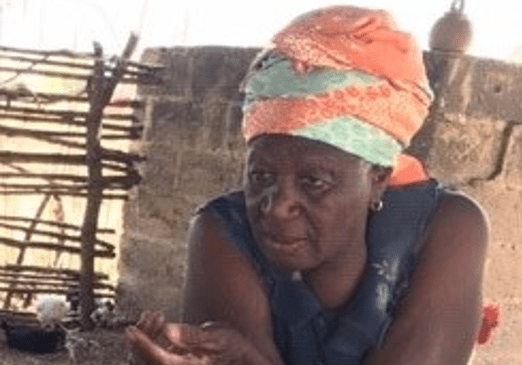
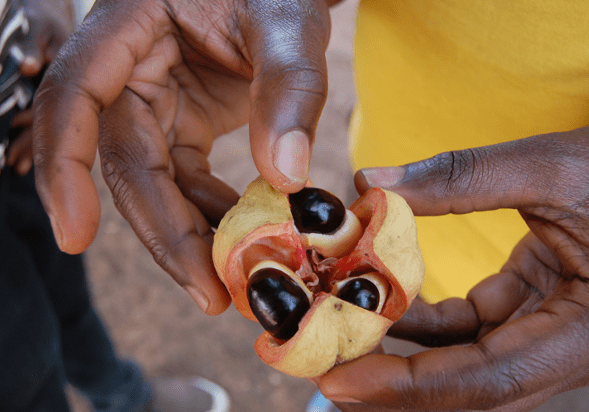
WIACT documents the ancestral philosophies underpinning indigenous economic, social, parenting, and agricultural arrangements through discussions with our elders. We ask them how they made sure everyone was provided for in our communities. We document parenting practices, and with CEHDAGhana (which started an historically and culturally-valuable seed bank) we are helping to conserve and preserve knowledge about plants and trees used for food, medicine, and traditional crafts.
If you want to investigate these topics during your visit to Savannah region, here are our current and planned projects:
• Native tree nurseries at K12 schools and transplanting tree seedlings to areas of deforestation and mass cutting, including agricultural landscapes.
• Interview elders about child rearing practices
• Help high school students document and publish traditional agricultural practices, parenting, and other knowledge of their parents and grandparents
• Further development of the Native seed bank